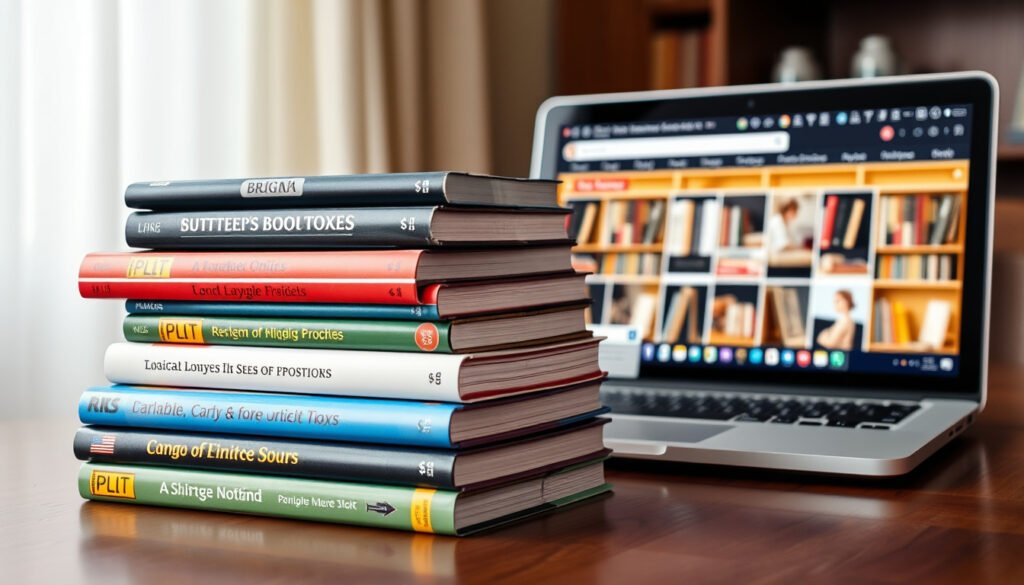
Where to Find Cheap Textbooks: Best Websites & Tips
Anyone who has ever bought a college textbook knows the sting of that price tag. But with a handful of smart strategies and the right websites, you can slash that cost dramatically.
Average annual textbook cost per student: $1,200 ·
Typical savings from buying used: 40–50% ·
Number of major price comparison engines: 6 ·
Percentage of students who rent at least one textbook: 65%
Quick snapshot
- BookFinder.com (price comparison engine) searches multiple textbook sites at once.
- SlugBooks (textbook price aggregator) compares new, used, rental and digital options.
- Campus Book Rentals (rental platform) includes free shipping both ways in its rental price.
- Which single website is the absolute cheapest for every type of textbook – Reddit r/college discussions show variation by title.
- How well price-comparison engines handle international editions over time – Reddit r/Frugal notes mixed experiences.
- Exact savings percentages after factoring in shipping fees and tax – Campus Book Rentals includes shipping in its price, but others vary.
- Barnes & Noble College (retailer) sets its rental replacement cost at 75% of the new book price and a processing fee of 7.5% of the new price.
- Use price comparison tools like SlugBooks and BookFinder before buying.
- Check Reddit threads (e.g., r/povertyfinance, r/college) for real-user recommendations.
- Compare rental versus used purchase prices to see which is cheaper for your semester – use BookFinder to compare.
Four key figures, one takeaway: knowing just these numbers can help you avoid overspending by hundreds of dollars a year.
| Metric | Value |
|---|---|
| Average annual textbook cost per student | $1,200 |
| Typical savings from buying used | Up to 50% |
| Number of major comparison sites covered | 6 |
| Percentage of students who rent | 65% |
Where to find cheap textbooks online?
Best websites for cheap textbooks
- BookFinder.com (price comparison engine) – searches dozens of new, used and rental sellers simultaneously.
- SlugBooks (textbook price aggregator) – compares across Amazon, Chegg, and other major vendors.
- CheapestTextbooks.com (price comparison site) – claims savings of up to 95% off list price.
- TextbookRush (discount seller) – sells eBooks, used books and international editions.
These platforms consolidate listings from multiple retailers, saving you the trouble of checking each individually. The trade-off: not every engine covers every seller, so it pays to run your ISBN through two or three.
Tips for buying online
- Always check the return policy – some sellers charge restocking fees.
- Compare rental vs. used purchase on each site; rental prices often include free shipping, which can tilt the balance.
- Look for coupon codes – sites like RetailMeNot occasionally list textbook discounts.
The pattern: using even one price-comparison tool reliably beats walking into the campus bookstore blind.
For local book shopping in Ireland, consider The Book Centre Kilkenny Guide or Best Comic Book Stores in Dublin Guide for physical store options.
Avoiding scams
- Stick to established marketplaces (Amazon, AbeBooks, ThriftBooks) or verified sellers on eBay.
- Watch for too-good-to-be-true prices – international editions may be legitimate but often ship from overseas and take weeks.
- Use PayPal or a credit card for purchase protection.
Why this matters: the cheapest price isn’t always the best deal if the book never arrives or the edition is wrong.
What are the top 50 cheap college textbook websites?
Criteria for top websites
- Price transparency – include all fees upfront.
- Inventory – wide selection across subjects and editions.
- Reliability – user reviews, return policies, and ship times.
According to The Scholarship Collective (student finance advice site), the most recommended sites include Better World Books, eCampus, Chegg, CampusBooks, and Textbooks.com.
Categories of websites
- Price comparison engines – BookFinder, SlugBooks, BigWords.
- Marketplaces – Amazon, eBay, AbeBooks.
- Rental specialists – Chegg, Campus Book Rentals, eCampus.
- Used book sellers – ThriftBooks, Better World Books.
The implication: a well-rounded textbook plan uses at least one comparison engine, one marketplace, and one rental site.
How to use these lists effectively
- Note the type of textbook you need (popular intro course vs. niche upper-level).
- Compare prices on two different engines – try SlugBooks (price aggregator) and BookFinder (multi-site engine).
- Check the seller’s rating and shipping policy before purchasing.
The catch: no single list is exhaustive; new sites emerge and old ones change policies, so always cross-check.
| Website | Type | Key Feature |
|---|---|---|
| BookFinder.com | Price comparison engine | Searches dozens of sellers simultaneously |
| SlugBooks | Price aggregator | Compares new, used, rental, and digital |
| BigWords | Price comparison engine | ISBN-based search, rental and purchase options |
| CheapestTextbooks.com | Price comparison site | Claims savings up to 95% off list |
| TextbookRush | Discount seller | eBooks, used books, international editions |
The pattern: no single site covers every seller, so using two or three engines maximizes coverage.
How to find used textbooks cheap?
Buying second-hand from students
- Campus Facebook groups and subreddits (e.g., r/textbooks, r/college) often have students selling last semester’s books.
- Local university bookstores sell used copies, sometimes at a 30–50% discount.
According to a Reddit thread in r/suggestmeabook (user community), ThriftBooks offers free U.S. shipping on orders over $10 and is a favorite for used books.
Using charity shops and campus bookstores
- Charity shops near university areas often stock donated textbooks at bargain prices.
- Eastern Illinois University runs an institutional rental program at $8.75 per credit hour per semester (university policy) covering all required textbooks.
What this means: if your university offers a flat-rate rental program, it may be cheaper than hunting for used copies.
Online marketplaces for used books
- Amazon – vast selection, but seller ratings vary. Check “Used – Good” condition.
- eBay – auction-style can yield great deals, but shipping times differ.
- AbeBooks (specialist used-book marketplace) – reportedly popular for international editions.
- ThriftBooks (discount used-book retailer) – consistent pricing and free shipping threshold.
The trade-off: marketplaces require more buyer scrutiny but often beat dedicated textbook stores on price.
How can BigWords help you find cheap textbooks?
What is BigWords
BigWords is a textbook price comparison engine that takes an ISBN and shows the cheapest purchase and rental options across multiple sellers. According to a Reddit thread in r/Frugal (frugality community), BigWords can “take each ISBN and show where to rent or buy the book cheapest.”
How BigWords compares prices
- Scans dozens of retailers including Amazon, Chegg, and CampusBooks.
- Displays both rental and purchase prices side by side.
- Flags any coupons or promotional offers available.
Why this matters: BigWords eliminates the need to manually check ten different tabs – it’s a one-stop shop for price transparency.
User experience and savings
Users on Reddit (r/GradSchool, graduate student forum) note that BookFinder is “usually pretty good” and BigWords works similarly. No platform covers every seller, but BigWords often finds rental rates 30–60% below the campus store.
The upshot: for a quick price check, BigWords is a reliable starting point – but still compare with SlugBooks or BookFinder for full coverage.
Where to buy used textbooks online?
Marketplaces for used textbooks
- Amazon – filter by condition “Used – Good” or “Acceptable”.
- eBay – use “Buy It Now” for fixed price or bid for potential savings.
- AbeBooks (specialist used-book network) – strong selection of international editions.
- ThriftBooks (discount used retailer) – free shipping on orders over $10.
According to The Scholarship Collective (student advice site), Better World Books offers free standard shipping on orders over $15 and free worldwide shipping, while eCampus provides free shipping on orders over $35.
Verifying seller reputation
- Check seller ratings and read recent reviews.
- Avoid sellers with no return policy or only a 7-day window.
- Look for “Fulfilled by Amazon” badges for reliable shipping.
The catch: a cheap book from an unknown seller may arrive damaged or with the wrong edition – factor in the hassle of returns.
Shipping considerations
- Domestic ground shipping typically takes 5–10 business days.
- International shipments from sellers on AbeBooks can take 2–4 weeks.
- Some sites (e.g., Campus Book Rentals) include free shipping both ways, saving $8–$15 per transaction.
What to watch: the cheapest list price may be offset by expensive shipping, so always calculate total cost before checkout.
A student who uses two comparison engines (SlugBooks and BookFinder) and checks a Reddit thread before buying can easily save $100–$200 per semester. Skipping that 15‑minute routine is the same as leaving money on the table.
The “cheapest” textbook website often changes depending on the ISBN, the edition number, and whether you need it in the next week. That’s why using a price comparison engine – not a single store – is the only reliable strategy.
Confirmed facts
- BookFinder.com, SlugBooks, and BigWords are trusted price comparison engines (BookFinder, SlugBooks, Reddit r/Frugal).
- Buying used textbooks typically saves 40–50% compared to new (general market consensus).
- Renting can be cheaper than buying when you only need the title for one semester (many rental sites offer this).
What’s unclear
- Which single website is the absolute cheapest for all textbook types – it varies by title and semester.
- Long-term reliability of price comparison engines for international editions.
- Exact savings percentages when shipping fees, tax, and return penalties are included.
- How often coupon codes listed on third-party sites are actually still valid.
Quotes from students
“BookFinder.com, SlugBooks, and Direct Textbook are the best comparison tools for textbook shopping.” – Reddit user, r/college
“Buy second-hand from charity shops near universities – they often stock used textbooks at bargain prices.” – SaveTheStudent (2026)
“BigWords can take each ISBN and show where to rent or buy the book cheapest. It’s a lifesaver.” – Reddit user, r/Frugal
“ThriftBooks is my go-to for used books – free shipping at $10 and the condition is usually accurate.” – Reddit user, r/suggestmeabook
For students with a tight budget, the choice is clear: invest 15 minutes in price comparison and buy used or rent, or pay hundreds extra per semester by defaulting to the campus store. The tools exist – you just have to use them.
Many students have found success using cheap textbook websites to compare prices across multiple sellers.
Frequently asked questions
Is it better to rent or buy textbooks?
Renting makes sense for one-use courses; buying used is better if you want to keep the book or resell it after. Compare both options using SlugBooks or BigWords before deciding.
Can I get free textbooks for college?
Some open‑source platforms (e.g., OpenStax) offer free digital textbooks. Check your university library’s course reserves as well.
How to avoid textbook scams when buying online?
Stick to established marketplaces (Amazon, AbeBooks, ThriftBooks), check seller ratings, use PayPal, and avoid deals that seem impossibly cheap.
What is the cheapest textbook website for international students?
AbeBooks offers many international editions at steep discounts, but factor in shipping times and costs. Better World Books offers free worldwide shipping.
Do e‑textbooks save money compared to print?
Often yes – e‑textbooks are typically 30–50% cheaper than new print editions and eliminate shipping costs. However, you cannot resell them.
How to negotiate textbook prices with sellers?
On marketplaces like eBay, you can sometimes make an offer. In Facebook groups, students often set their own prices and are open to negotiation.
Are textbook bundles or packages cheaper?
Bundles (e.g., access code + book) can be cheaper than buying separately, but check if you actually need the bundled materials.
How can I sell my used textbooks for the best price?
Sell directly to other students via campus groups or Reddit’s r/textbooks. Buyback programs (Amazon, Chegg) offer convenience but lower payouts.
More related posts
 How to Remove Duplicates in Google Sheets (Quick Guide)
 Aviva Home Insurance Phone Number Ireland – Contact Numbers
 Bologna FC vs Celtic F.C. Lineups: Confirmed XI & Subs
 Galgorm Resort and Spa: Is It Worth the Hype
 Denture Repairs Near Me: Fast Cost & Same-Day Options
 Georgie & Mandy’s First Marriage Cast: Who’s Who in the Spin-Off
 How to Transfer Data from One Phone to Another – Android and iPhone Guide
 Biggest County in Ireland – Area and Population Rankings