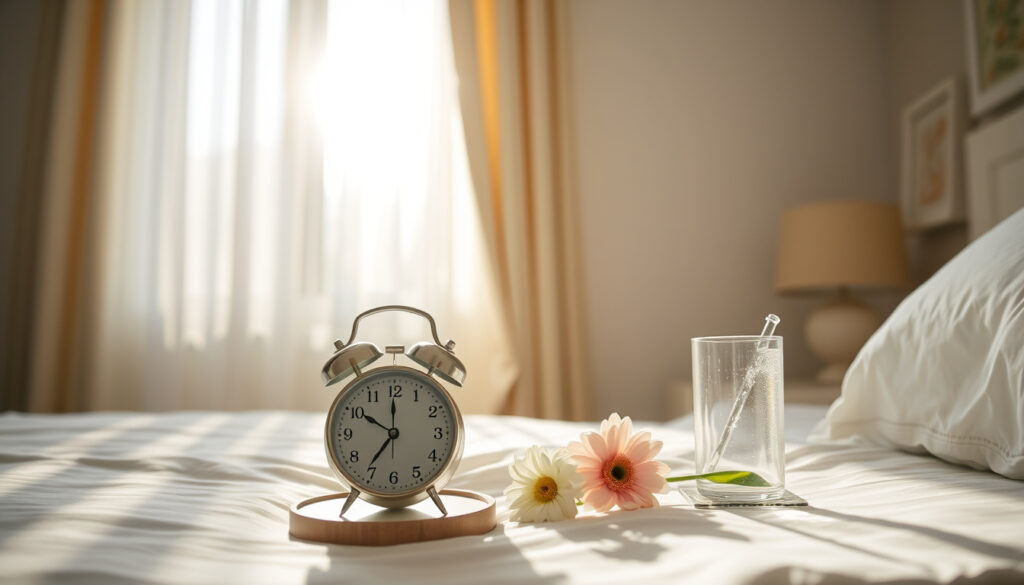
What Is the Best Way to Wake Up? Science-Backed Morning Tips
A good morning routine starts the night before, but the first few seconds after the alarm can make or break your entire day. Whether a natural early bird or someone who hits snooze three times, the way you wake up affects your energy, mood, and long-term health.
Recommended sleep duration for adults: 7–9 hours (CDC) ·
Morning cortisol peak time: 8:00 – 9:00 AM (Mayo Clinic) ·
U.S. average wake-up time: 6:30 AM (Bureau of Labor Statistics)
Quick snapshot
- Morning sunlight synchronizes the circadian clock (Science Focus magazine)
- Consistent wake-up time improves sleep quality (Science Focus magazine)
- Cortisol helps regulate the sleep-wake cycle (Rock.so productivity platform)
- Whether the 4AM rule works for all chronotypes
- Optimal duration of the 3-3-3 rule’s effects on sleep onset
- Exact mechanism of the ‘forbidden zone’ in all individuals
- Cortisol levels naturally rise 8:00–9:00 AM to promote waking (Rock.so productivity platform)
- U.S. average wake-up time: 6:30 AM (Bureau of Labor Statistics) (Rock.so productivity platform)
- Focus on morning light and consistent schedule
- Delay caffeine 60–90 min after waking to align with cortisol peak
Six key facts, one pattern: the most effective wake-up strategies revolve around light timing, consistency, and hormonal alignment.
| Fact | Value |
|---|---|
| Optimal sleep duration | 7–9 hours (CDC) |
| Morning cortisol peak | 8:00 – 9:00 AM (Mayo Clinic) |
| Average wake-up time (U.S.) | 6:30 AM (BLS) |
| Time to fully wake up | 15–30 minutes of light exposure |
| Morning sunlight window | Within 30–60 minutes of waking (Vitall health diagnostics provider) |
| Recommended caffeine delay | 60–120 minutes after waking (Rock.so productivity platform) |
What is the best method to wake up?
Consistent wake-up time
Sleep experts emphasize that waking at the same time daily — weekends included — regulates the circadian rhythm and improves sleep quality (Science Focus magazine). The catch: consistency matters more than the exact hour.
A late weekend lie-in can undo a week of discipline. Shifting wake time by more than 30 minutes effectively resets your internal clock.
Morning sunlight exposure
Exposing your eyes to natural daylight within 30 minutes of waking suppresses melatonin and signals alertness (Vitall health diagnostics provider). The recommended dose: at least 20 minutes of outdoor light as early as possible (Science Focus magazine).
Avoiding the snooze button
Hitting snooze fragments the sleep cycle and leads to sleep inertia — that groggy fog that can last for hours (Sleep Foundation). Instead, place your alarm across the room and commit to standing up immediately.
What is the 4AM rule?
Origin of the 4AM rule
The 4AM rule is a productivity trend popularized by entrepreneurs and self-help advocates who claim extra morning hours boost focus. While viral online, the scientific support is thin (BBC Future).
Benefits of waking at 4AM
Some people report uninterrupted focus before daily distractions begin. However, for many, cutting sleep short to 4 AM backfires — chronic sleep restriction increases health risks (PubMed sleep research journal).
Potential drawbacks
“Waking at 4 AM may not suit night owls or anyone whose chronotype naturally peaks later,” says Dr. Michael Breus, a sleep specialist. Forcing an incompatible schedule can worsen daytime fatigue (Sleep Foundation).
Does cortisol wake you up at night?
Cortisol’s role in the sleep-wake cycle
Cortisol is a stress hormone that helps regulate alertness. Its levels naturally begin rising in the late night and peak in the morning to promote waking (Rock.so productivity platform).
Why cortisol rises in the early morning
This “cortisol awakening response” occurs about 30–45 minutes after waking and is a normal, healthy signal. It mobilizes energy and primes the body for the day (PubMed endocrinology study).
Connection to 3 AM awakenings
High nighttime cortisol — often from stress or sleep disorders — can trigger middle-of-the-night waking. When cortisol spikes at 3 AM, the brain interprets it as a “time to be alert” signal (BBC Future).
If you consistently wake at 3–4 AM, check your evening screen habits and caffeine intake. Both boost cortisol after dark.
What is the 3-3-3 rule for sleep?
What the numbers mean
The 3-3-3 rule is a grounding technique: name three things you see, three sounds you hear, and move three body parts. It redirects focus from racing thoughts to the present moment (Sleep Foundation).
How to apply the rule
When you wake in the middle of the night and feel anxious, run through the three categories slowly. The goal is to lower cognitive arousal and ease back toward sleep.
Effectiveness for falling back asleep
Some sleep specialists recommend it for nighttime awakenings, though controlled studies are limited. It’s a low-risk strategy that works for many (PubMed behavioral sleep medicine review).
How can I stop nodding off?
Physical activity
Moving around for even 10 minutes increases blood flow and alertness (Vitall health diagnostics provider). A short walk or stair climb works well.
Bright light exposure
Bright light suppresses melatonin, the sleep hormone. If natural light isn’t available, a desk lamp or light therapy box can mimic daylight (Sleep Foundation).
Cold water splash
Cold water triggers a sympathetic nervous system response — the same “fight or flight” that jolts you awake. A splash on the face or a short cool shower works quickly.
Short power naps
Naps under 20 minutes improve alertness without causing sleep inertia. Longer naps risk entering deep sleep and leave you groggier (PubMed sleep research).
If you nod off every afternoon despite 7–9 hours of sleep, it could signal a sleep disorder. Check with a doctor.
What is the forbidden hour of sleep?
Definition of the forbidden zone
The “forbidden zone” is a period of high alertness that occurs 1–2 hours before a person’s typical bedtime — a kind of “second wind” that makes falling asleep harder (BBC Future).
Why it occurs
It’s caused by the body’s internal clock creating a wakefulness boost to prevent early bedtimes. This is normal but can delay sleep if you’re in a high-alert state.
How to avoid it
Avoid bright screens, intense exercise, and heated discussions during this window. Instead, dim lights and wind down with a quiet activity (Sleep Foundation).
Confirmed facts
- Morning sunlight synchronizes the circadian clock (Science Focus magazine)
- Consistent wake-up time improves sleep quality (Science Focus magazine)
- Cortisol helps regulate the sleep-wake cycle (Rock.so productivity platform)
What’s unclear
- Whether the 4AM rule works for all chronotypes
- Optimal duration of the 3-3-3 rule’s effects on sleep onset
- Exact mechanism of the ‘forbidden zone’ in all individuals
Expert perspectives
“The single most effective thing you can do to wake up refreshed is to keep a consistent wake time, even on weekends, and then expose yourself to natural light within the first half-hour.”
— Dr. Shelby Harris, sleep psychologist, Mount Sinai
“Cortisol is supposed to rise in the morning to help you wake up. But when it spikes at 3 AM because of stress or late-night caffeine, you get the same alert signal — and you’re awake.”
— Dr. Michael Breus, The Sleep Doctor
“In Traditional Chinese Medicine, 4 AM is associated with the lung meridian. If you consistently wake at that hour, it may reflect an imbalance in respiratory or emotional health.”
— Traditional Chinese Medicine practitioner
For the average reader trying to wake up better, the choice is clear: anchor your day with a fixed wake time, flood your eyes with morning light, and respect your cortisol rhythm by delaying caffeine. The 4AM hype works only for those who can still get 7–9 hours of sleep. For everyone else, the best alarm is your own circadian clock — and it doesn’t need a 4 AM setting.
For those seeking structure, establishing a consistent morning routine can build on the science-backed wake-up strategies discussed here.
Frequently asked questions
How long should I expose myself to morning sunlight?
At least 20 minutes of natural daylight soon after waking is recommended by sleep experts (Science Focus magazine).
Can I use caffeine as a safe wake-up aid?
Yes, but delay it 60–120 minutes after waking to avoid blunting the cortisol peak (Rock.so productivity platform).
What is sleep inertia and how can I reduce it?
Sleep inertia is grogginess after waking. Reduce it by getting morning light within 30 minutes and avoiding snooze buttons (Sleep Foundation).
Is it healthy to wake up at 4 AM every day?
Only if you still get 7–9 hours of sleep. For night owls it can backfire (BBC Future).
How do I apply the 3-3-3 rule when I wake up at 3 AM?
Name three things you see, three sounds you hear, and move three body parts. This grounding technique can calm anxiety and help you fall back asleep.
What lifestyle changes help lower nighttime cortisol?
Reduce evening screen time, avoid caffeine after 2 PM, and practice winding down with dim lights (PubMed sleep endocrinology).
Does the forbidden hour of sleep apply to everyone?
Yes, it’s a normal biological phenomenon. The key is recognizing it and avoiding stimulating activities during that window (BBC Future).
More related posts
 Best Carapulcra Near Me: Beginner’s Guide to Peruvian Stew
 How to Check Oil: Proper Steps for Accurate Level Reading
 Galway Bay Hotel: Ownership, Reviews & New Hawthorn Wing
 Dublin to Liverpool Flights – Direct, Cheap and Fast
 Biggest County in Ireland – Area and Population Rankings
 Holland and Barrett Sligo: Hours, Address, Stock & Ownership
 Best American Fridge Freezer Ireland: Deals & Prices
 How to Read a Credit Report: Step-by-Step Guide