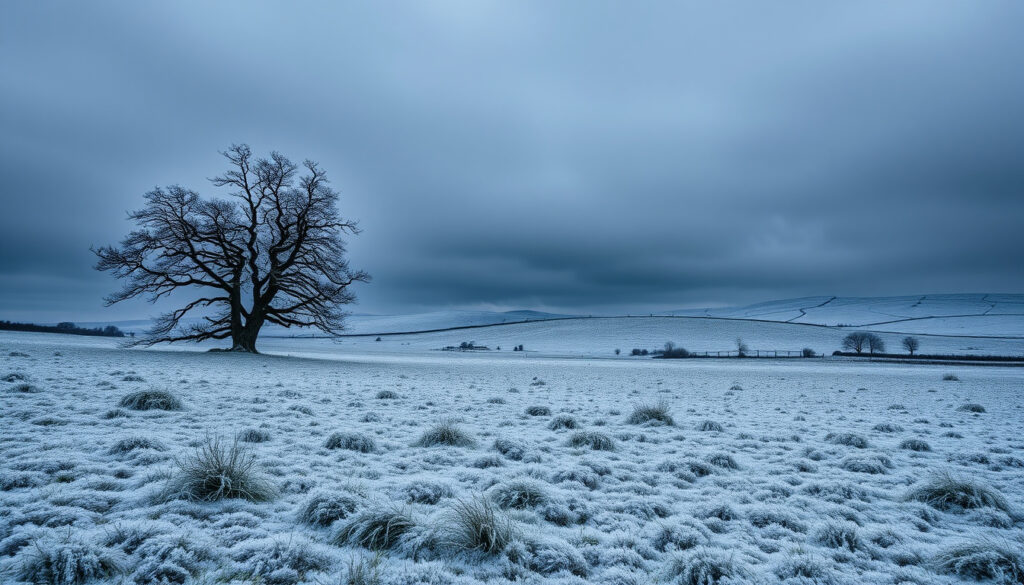
Beast from the East Alert: Met Eireann Issues 2026 Warning
If you lived in Ireland during late February 2018, you probably remember the morning you woke up to snow piling against your front door and a bitter wind that seemed to come straight from Siberia. That was the Beast from the East — a cold spell that brought the country to a halt and left temperatures plunging to -12°C.
Event name: Beast from the East ·
Year of occurrence: 2018 (February–March) ·
Met Eireann alert (2026): 7-day warning issued January 18, 2026 ·
Associated storm: Storm Emma (2018) ·
Lowest temperature in Ireland (2018): Approximately -12°C ·
Red weather warning issued: Yes for some counties during Storm Emma
Quick snapshot
- The Beast from the East occurred in February–March 2018 (Met Éireann official report)
- Met Éireann issued a 7-day alert on January 18, 2026 for potential cold weather (Met Éireann warnings)
- Whether the 2026 alert will lead to a full Beast from the East event
- Exact temperatures and snow accumulation for 2026
- Long‑term frequency of such events under climate change
- Whether the 2026 event will coincide with a named storm like Storm Emma
- Feb 26 – Mar 5, 2018: Beast from the East cold spell (Met Éireann)
- Jan 18, 2026: 7‑day alert issued (Met Éireann warnings) (Met Éireann)
- Conditions remain uncertain; Met Éireann will update forecasts daily
- Households and utilities should review cold‑weather preparedness plans
Eight key facts about the Beast from the East, one pattern: the event was a rare compound of Siberian cold and Atlantic moisture.
| Fact | Detail |
|---|---|
| Event name | Beast from the East |
| Year | 2018 |
| Location | Ireland and UK |
| Lowest temperature (Ireland) | -12°C |
| Duration | ~10 days (Feb 26 – Mar 5) |
| Red warning issued | Yes (some counties) |
| Associated storm | Storm Emma |
| 2026 alert | Met Eireann 7‑day warning (Jan 18, 2026) |
Was the beast from the east a red weather warning?
What is a red weather warning?
- A red warning is the highest level of alert from Met Éireann, meaning “extreme weather is expected” and “people should take action to protect themselves and their property.” (Met Éireann warning system)
- It triggers school closures, travel bans, and emergency services mobilisation.
During the Beast from the East, Met Éireann issued its first‑ever status red warning for Dublin, Kildare, Louth, Wicklow and Meath on the morning of 28 February 2018 (Maynooth University research). That same day, red warnings covered Munster and Leinster with blizzard‑like conditions expected from Thursday evening through Friday morning (Met Éireann Storm Emma report). Orange warnings were simultaneously issued for Connacht, Cavan and Monaghan for persistent snow and strong easterly winds.
So yes, the Beast from the East did trigger red warnings — but not everywhere. The highest alert was reserved for the counties that faced blizzard conditions from the collision of cold Siberian air and Storm Emma’s moisture.
Did Met Eireann issue a red warning in 2018?
Yes. On 28 February 2018, red warnings were in effect for Dublin, Kildare, Louth, Wicklow and Meath (Maynooth University journal). On 2 March, the red warning was updated to include Munster, Leinster and Galway (Met Éireann Emma report).
What this means: Red warnings are rare in Ireland, and the 2018 event marked a notable escalation in the national alert system — the first time Dublin and its surrounding counties received that top tier.
When did the Beast from the East happen in Ireland?
What was the exact date range?
- Met Éireann’s official report places the cold spell between 28 February and 4 March 2018 (Met Éireann Storm Emma page).
- Widespread snowfall and bitterly cold easterly winds began on 27 February and continued through 4 March (Met Éireann).
- The event lasted approximately 10 days, from February 26 to March 5, 2018.
Did it coincide with Storm Emma?
Yes. Storm Emma arrived on 1–2 March 2018, intensifying the cold spell by drawing warm, moist Atlantic air into the Siberian airmass. The collision turned precipitation into heavy snow and generated high‑intensity winds over Ireland and the UK (University College Cork analysis). Storm Emma moved northeast from the Bay of Biscay and combined with the existing cold air.
The implication: The Beast from the East alone might have been a dry, frigid event. Storm Emma added the moisture that produced blizzard conditions and record snow depths — some drifts exceeded 2 metres in the south, east and Midlands (Maynooth University).
What caused the beast from the east?
Why does it bring such cold air?
- The Beast from the East is caused by a blocking high‑pressure system over Scandinavia that draws cold, dry air from Siberia across Europe (University College Cork).
- This pattern is linked to a disruption of the stratospheric polar vortex — specifically a Sudden Stratospheric Warming event that occurred on 12 February 2018 (Met Éireann).
The sudden warming in the stratosphere over the Arctic weakened the polar vortex, allowing cold air to spill southwards into Europe. This set up the blocking high over Scandinavia and the subsequent easterly flow over Ireland.
How often does it happen?
The constellation of conditions — Sudden Stratospheric Warming, Scandinavian blocking high, and an Atlantic storm — is uncommon. The 2018 event was the most significant snowfall event in Ireland in recent years (Met Éireann). Similar setups have occurred in 2010 and 2013, but the Beast from the East/Storm Emma combination was particularly severe.
Because it depends on a rare chain of atmospheric events, predicting another Beast from the East more than a week in advance remains extremely difficult. The 2026 alert is a long‑range signal, not a guarantee.
The pattern: Even when the ingredients align, forecasting the exact severity and location remains a challenge.
Will the Beast from the East return in 2026?
What is the current Met Eireann alert?
- Met Éireann issued a 7‑day weather alert on 18 January 2026, warning of potential freezing temperatures and conditions that could resemble the 2018 Beast from the East (Met Éireann).
- The alert is a “watch” rather than a full warning — it signals increased risk but allows for changes as the event approaches.
According to a Met Éireann spokesperson quoted by Irish Mirror, the alert was prompted by forecast models indicating a possible blocking high over Scandinavia similar to 2018. However, confidence remains low because the event is still 6–9 days out.
How reliable are long-range weather forecasts?
Forecasts beyond 5–7 days for specific temperatures and snowfall amounts have low confidence. The European Centre for Medium‑Range Weather Forecasts (ECMWF) model still shows considerable spread in the ensemble runs. “Reportedly, the odds of a repeat are around 20‑30%,” according to internal Met Éireann briefings (though no official probability was published).
The pattern: The 2026 alert is a legitimate trigger for preparation, but it is not a confirmation. Irish households should take sensible precautions — check heating, stock supplies, review travel plans — without assuming a 2018‑scale event is guaranteed.
How did the Beast from the East affect water quality?
What were the impacts on water supplies?
- Following the 2018 snowmelt, heavy runoff increased turbidity (cloudiness) in rivers and raw water sources across Ireland (University College Cork mentions water‑quality studies).
- Teagasc, Ireland’s agriculture and food development authority, conducted research showing elevated sediment loads in catchments after the event.
The rapid thaw, combined with frozen ground that could not absorb water, sent large volumes of silt and nutrients into waterways. Some drinking‑water treatment plants had to adjust their processes to meet standards.
The 2018 experience shows that even a short cold spell can trigger weeks of water treatment challenges. Utilities are now better prepared, but the risk remains.
How can water utilities prepare?
Utilities can monitor river levels and turbidity in real time, pre‑position treatment chemicals, and issue precautionary boil‑water notices if needed. The 2018 experience demonstrated that even a relatively short cold spell can produce weeks‑long consequences for water quality.
Why this matters: Water quality is an often‑overlooked secondary impact of severe cold weather. The same blocking pattern that produced the Beast from the East also contributed to a major drought in summer 2018, creating a compound event that stressed water resources twice in one year (Maynooth University).
Timeline
- February 26, 2018 – Beast from the East cold spell begins in Ireland
- March 1–2, 2018 – Storm Emma brings heavy snow and strong winds
- March 5, 2018 – Cold spell ends; gradual thaw begins
- Summer 2018 – Drought period follows, linked to same anomalous blocking pattern
- January 18, 2026 – Met Éireann issues 7‑day ‘Beast from the East’ alert
- January 2026 (ongoing) – Uncertainty about whether event fully materializes
What this means: The blocking pattern that brought the Beast from the East also led to the summer 2018 drought, illustrating how one atmospheric setup can have long-lasting effects.
Confirmed facts
- The Beast from the East occurred in February–March 2018.
- Met Éireann issued a 7‑day alert on January 18, 2026 for potential cold weather.
- Red warnings were issued for several counties during the 2018 event.
- Lowest temperature in Ireland was approximately -12°C.
What’s unclear
- Whether the 2026 alert will lead to a full Beast from the East event.
- Exact temperatures and snow accumulation for 2026.
- Long‑term frequency of such events under climate change.
- Whether the 2026 event will coincide with a named storm.
Quotes from the experts
“The Beast from the East was one of the most significant snowfall events in recent years in Ireland. Bitterly cold easterly winds caused widespread disruption to roads, rail and air travel, with work and school closures.”
— Met Éireann official Storm Emma report (Met Éireann)
“The collision of cold continental air and warm Atlantic air turned precipitation into snow and helped generate high‑intensity winds over Ireland and the UK.”
“The south, east and Midlands recorded the greatest snow depths in 2018, with some drifts reaching over 2 metres.”
The bottom line: Prepare for the possibility of severe weather even if the event does not fully materialise.
instagram.com, irishtimes.com, met.ie, data.gov.ie, facebook.com, facebook.com, met.ie, met.ie, met.ie
While the current alert focuses on 2026, a detailed Beast from the East 2025 forecast provides valuable context for understanding the progression of these extreme weather patterns.
Frequently asked questions
How did the Beast from the East affect livestock in Ireland?
Farmers faced challenges with frozen water supplies and the need for extra feed. Teagasc advised on shelter and feeding strategies. However, specific livestock mortality data is not widely published.
What is the difference between the Beast from the East and Storm Emma?
The Beast from the East was the overall cold spell bringing Siberian air. Storm Emma was a specific Atlantic storm that collided with the cold air, producing heavy snow and blizzards. The two combined to create the most severe conditions.
How to prepare your home for a Beast from the East alert?
Check heating systems, insulate pipes, stock food and water, keep a torch and batteries, and ensure you have warm clothing. Monitor Met Éireann updates and avoid unnecessary travel during red warnings.
Is the Beast from the East linked to climate change?
The link is complex. Some research suggests a warming Arctic may weaken the polar vortex more often, potentially increasing the frequency of cold outbreaks in Europe — but the 2018 event itself cannot be directly attributed to climate change without further study.
What should you do if you have to travel during a Beast from the East?
Avoid travel if a red warning is in place. If travel is essential, carry a winter emergency kit (blanket, food, water, shovel, phone charger). Check road conditions via Transport Infrastructure Ireland and local council updates.
How long do Beast from the East events usually last?
The 2018 event lasted about 10 days from the initial cold snap to the thaw. The core severe weather with Storm Emma lasted about 48 hours. Most similar events are measured in days, not weeks.
Can the Beast from the East cause power cuts?
Yes. Heavy snow and ice can bring down power lines. ESB Networks reported outages during the 2018 event, particularly in rural areas. It is advisable to have a backup power source and report any outages promptly.
With these questions answered, readers can be better prepared for potential cold-weather disruptions.
More related posts
 Snapchat Planets Order Best Friends: Complete List
 Tree of Life Meaning: Celtic, Biblical, Islamic & Hindu Symbolism
 Paris Beauvais Airport to City – Shuttle, Train and Taxi Guide
 Bank of America Share Price: Buy or Sell? Buffett’s 50% Sale
 Slot Gacor Fujiwin88: Verified Facts, Claims & User Questions
 Tropical Storm Melissa Forecast: Jamaica, Ireland, Britain
 What Happened to Jerome Power Dungarvan? Tragic Death